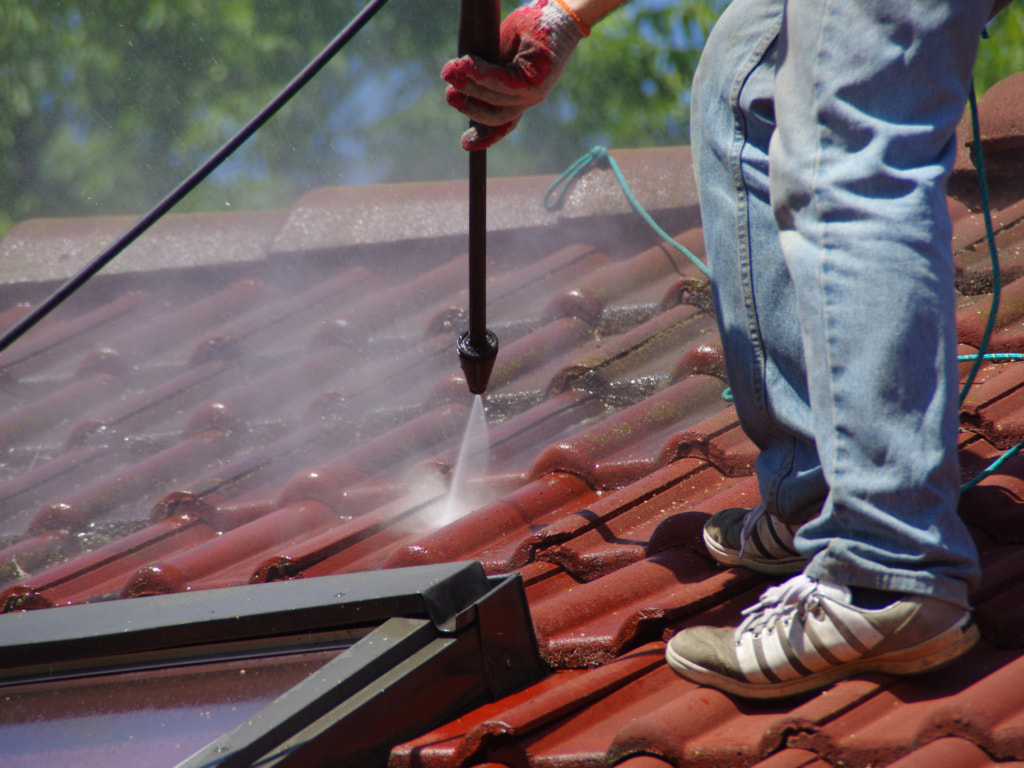
Severe weather can expose weaknesses in a roof that were not previously visible. Strong winds may loosen roof coverings, while prolonged rainfall can exploit small defects around flashing, valleys and roof junctions. Damage may appear minor from ground level, yet still leave the roof vulnerable to water ingress.
For property owners in Bognor Regis, West Sussex, knowing which roofing repairs to prioritise can help prevent an isolated defect from affecting a wider area. The most urgent work should address immediate safety concerns, active water entry and any damage that could quickly deteriorate.
Which Roofing Problems Require Attention First?
Roof damage should be prioritised according to its severity, location and potential consequences. A professional inspection is important because several defects may have developed during the same period of bad weather.
Unstable Roofing Materials
Loose tiles, slates, ridge tiles and sections of flashing should receive prompt attention, especially when they are positioned above entrances, paths, patios or other frequently used areas.
A displaced material may remain on the roof temporarily but move further during the next period of strong wind. The surrounding coverings and fixings should also be checked, as the visible loose item may be part of a larger affected section.
Active Water Ingress
A roof that is currently allowing water into the property should be treated as a priority. Warning signs include:
- Water dripping from a ceiling
- New or expanding damp patches
- Wet insulation in the loft
- Moisture around roof timbers
- Staining near chimneys or roof junctions
- Water entering around a roof window or vent
The internal location of the water does not always reveal the external defect. Moisture may travel along underlay, battens or rafters before becoming visible, so the complete affected area requires assessment.
Missing, Cracked or Slipped Roof Coverings
A missing tile creates an obvious weakness, but cracked and slipped coverings can be equally important. Even a small opening may expose the underlay to repeated rainfall and wind.
Repairs should restore the correct overlap and secure the replacement covering properly. Nearby tiles or slates should be inspected for loosened fixings or movement caused by the same weather.
Damaged Ridge and Verge Details
Ridge tiles protect the highest point of the roof, while verge details secure and weatherproof its exposed edges. Both areas can experience considerable wind pressure.
Cracked mortar, loose mechanical fixings or displaced components may allow water beneath the roof covering. Because defects at ridges and verges can affect several adjoining materials, these repairs should not be reduced to replacing the most visibly damaged piece alone.
Defective Lead Flashing
Lead flashing helps seal the junctions around chimneys, walls and other roof features. Severe weather can lift poorly secured sections, widen existing splits or expose deteriorated joints.
Flashing defects often cause persistent leaks because these junctions receive significant volumes of rainwater. The leadwork and the materials into which it is fitted should be examined together so the repair addresses the complete detail.
Blocked or Damaged Valleys
Roof valleys carry water from adjoining slopes towards the guttering. Leaves, moss and storm debris can restrict this route, causing water to collect or flow beneath nearby tiles.
Valley linings can also crack, split or move. Repairs should restore both the lining and the surrounding roof coverings, as an otherwise sound valley may still leak if adjoining tiles are incorrectly positioned.
Torn or Exposed Underlay
Underlay provides secondary protection beneath tiles and slates. Where roof coverings have moved, it may become exposed to wind, rain and sunlight.
A small tear can sometimes be repaired locally, but brittle or widely deteriorated underlay may require a broader approach. Replacing the outer tile without considering the damaged layer beneath it could leave the roof vulnerable.
Chimney-Related Defects
Chimneys contain several potential weak points, including flashing, mortar joints and the surrounding roof junction. Severe weather can disturb these details or make existing deterioration more apparent.
Leaks near a chimney should be investigated carefully because water can enter on one side and become visible elsewhere. Repairing one joint without assessing the full junction may result in continuing dampness.
Damaged Flat Roofing
Flat roofs should be checked for tears, punctures, lifted edges and failed seams after severe weather. Standing water may indicate that outlets are blocked or that the surface has developed a low area.
Damage around edges, penetrations and drainage points should be prioritised because these are common routes for water ingress. The condition of the deck beneath the covering may also need assessment if moisture has been present.
Guttering and Drainage Problems
Roof drainage is part of the wider weatherproofing system. Loose gutters, blocked outlets or damaged downpipes can cause water to overflow against fascia boards, walls and roof edges.
Removing storm debris and restoring secure drainage helps prevent water from accumulating in vulnerable areas. Any damage at the eaves should be inspected at the same time.
Signs of Structural Movement
A visibly sagging roofline, distorted timbers or a sudden change in the shape of a roof requires urgent professional assessment. Surface repairs will not correct an underlying loss of support.
The cause must be identified before other roofing work is planned, ensuring that repairs address both the structural concern and any resulting damage to the covering.
Why a Complete Inspection Matters
Severe weather can affect several parts of a roof simultaneously. Repairing only the most obvious defect may leave loosened fixings, damaged underlay or vulnerable junctions undiscovered.
A professional roofer can assess the covering, flashing, drainage details and accessible internal areas. This allows repairs to be prioritised according to actual risk rather than appearance alone.
Conclusion
After severe weather, the highest priorities are unstable materials, active leaks, displaced roof coverings and damage to important junctions or drainage routes. Structural movement and widespread deterioration also require prompt assessment.
Bognor Regis Roofing Repairs can inspect storm-affected roofs, identify the full extent of the damage and recommend an appropriate order of repairs. If your property in Bognor Regis, West Sussex, has been exposed to severe weather, contact the team to arrange a professional roof inspection.
Call us on: 01243 973 491
Click here to find out more about Bognor Regis Roofing Repairs
Click here to complete our contact form and see how we can help with your roofing needs.